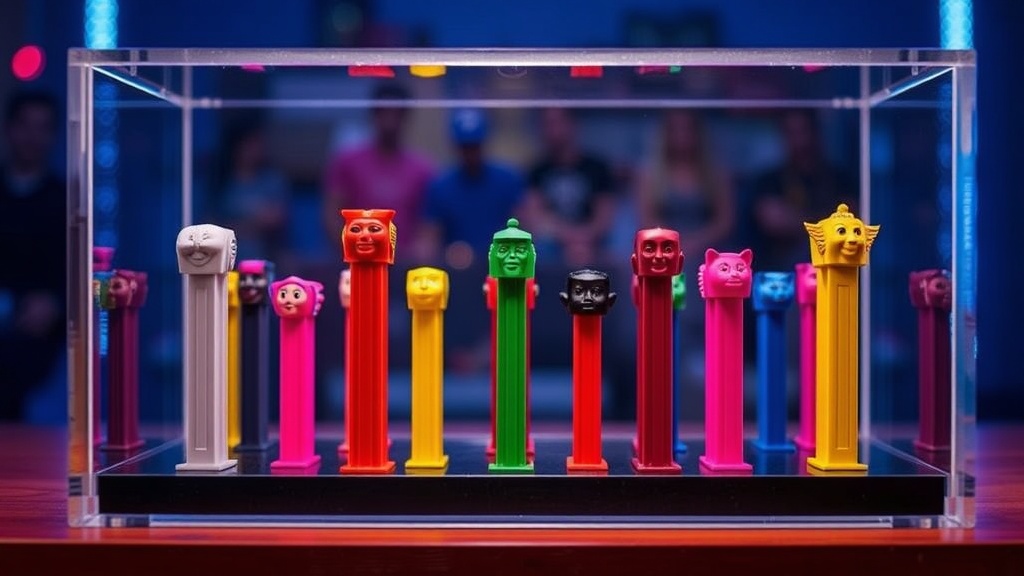
Selecting the Right Display Case for Your Pez Collection

Dust motes dance in a single beam of light hitting a shelf of bright, plastic characters. A vintage 1960s Star Wars dispenser sits slightly crooked, its paint slightly dulled by years of air exposure. This is the reality for many collectors: the transition from a box of loose items to a curated display. A good display case does more than just hold your items; it protects your investment from the elements and presents your collection as a cohesive piece of art rather than a cluttered shelf.
Choosing the right display-case setup requires a balance between aesthetics and preservation. You need to consider the physical dimensions of your specific Pez dispensers—which vary wildly from tiny character heads to long, slender rectangular bases—and the environmental threats like UV rays and humidity. We'll look at materials, lighting, and structural integrity to ensure your collection looks as good in ten years as it does today.
What Materials Are Best for Protecting Plastic Toys?
Acrylic and high-grade tempered glass are the best materials for protecting plastic collections because they offer clarity without the chemical off-gassing found in cheaper plastics. If you use low-quality plastics, you might see a "fogging" effect over time where the case itself begins to degrade. This is a common issue with budget-friendly acrylic cases found in big-box stores.
Acrylic is a favorite among collectors because it's lightweight and much harder to break than glass. However, it's also prone to scratching if you aren't careful during cleaning. Glass, on the other hand, is much more scratch-resistant and offers superior clarity, but it adds significant weight to your shelving. If you're displaying heavy, bulkier items, glass is usually the safer bet.
When selecting a case, keep these material properties in mind:
- Acrylic: Lightweight, shatterproof, but prone to scratches and static buildup.
- Tempered Glass: Highly clear, scratch-resistant, but heavy and fragile if dropped.
- Polycarbonate: Extremely tough and impact-resistant, though often more expensive.
One thing to watch out for is the "smell" of cheap plastic. If a case has a heavy chemical odor when you first open it, it might contain high levels of VOCs (Volatile Organic Compounds). These chemicals can react with the paint on vintage dispensers. It's always a good idea to let a new case "air out" in a garage or ventilated room for a few days before placing your most valuable pieces inside.
If you're worried about the long-term health of your items, you should also avoid sunlight damage to your collection by ensuring your case isn't sitting directly in a window. Even the best acrylic won't stop UV rays from fading that bright pink 1980s princess dispenser if it's sitting in direct sun.
How Much Space Do I Need for My Collection?
You need to calculate the "footprint" of your largest items plus at least two inches of clearance on all sides to prevent a cramped look. A common mistake is buying a case that fits the dispensers perfectly today, only to realize you have no room for growth tomorrow. Collectors often underestimate how much "air" an object needs to look high-end.
Think about the height of your tallest dispensers. A standard 1950s-style rectangular dispenser is much taller than a modern, small-head character. If you use a tiered display, you need to ensure the back row is elevated enough to be seen over the front row. This is where many people fail—they buy a single-shelf case and the back row becomes a "blind spot."
Here is a quick comparison of common display styles:
| Display Type | Best For | Pros | Cons |
|---|---|---|---|
| Single-Tier Acrylic | Small, uniform collections | Cheap and easy to move | Limited visibility for back rows |
| Tiered/Stadium Style | Standard Pez collections | Great visibility for all items | Takes up more vertical space |
| Wall-Mounted Shadow Box | Small "hero" pieces | ||
| Rotating Display | Single, high-value items | Shows off every angle | Can be distracting/unstable |
Don't forget about the depth. If you have a collection of long-bodied dispensers, a shallow case will feel cluttered. I've seen people try to cram 20 dispensers into a case designed for 10, and it always looks messy. It's better to have a slightly larger case with fewer items than a tiny case packed to the brim. It gives the eye a place to rest.
Does Lighting Affect the Longevity of My Items?
LED lighting is the only safe option for display cases because it produces minimal heat and negligible UV radiation. Traditional incandescent bulbs or even some older fluorescent tubes can generate enough heat to warp plastic or cause paint to flake. If you use a display with built-in lighting, make sure it is strictly LED.
The way you light your collection changes the entire "vibe" of the room. Warm light can make a collection look cozy and vintage, but it can also make colors look slightly yellow. Cool white light makes the colors "pop" and looks more modern, but it can sometimes feel a bit clinical.
A few tips for lighting your display:
- Avoid Heat: Never place a heat-producing bulb inside a closed-off acrylic case. The trapped heat can soften the plastic of the dispensers themselves.
- Use Diffusers: If your LEDs are too bright, they might create harsh glares on the plastic surfaces. A frosted or diffused light source provides a much softer, more professional look.
- Check the Spectrum: If you're using a high-end display, ensure the light source doesn't emit high levels of UV. You can check the specifications of your light bulbs or search for ultraviolet radiation information to understand the risks.
I've seen many collectors get caught out by the "glare problem." If you have a glass case and a bright light right above it, the reflection can actually hide the very items you're trying to show off. Position your lights at an angle rather than directly overhead to minimize that annoying white spot on the front of the case.
When you're setting things up, remember that your collection is a living thing. It grows, it changes, and it requires maintenance. A well-chosen case is an investment in that growth. If you're just starting out, you don't need a museum-grade vault. A simple, clean-lined acrylic shelf is plenty. But as you move from "guy with a box of toys" to "serious collector," your display needs to evolve with you.
One thing to keep in mind is the accessibility of your collection. If you buy a heavy, glass-encased cabinet, how often are you going to take things out to clean them? If it's a chore to reach your items, you'll likely neglect the cleaning process. This leads to dust buildup, which is the enemy of any collector. If you want to keep things looking pristine, make sure you can easily access the items without a struggle. If you're worried about the upkeep, you might want to look into how to keep your vintage Pez shiny and dust-free through regular, safe cleaning methods.
The goal is to create a space that makes you smile every time you walk past it. Whether it's a single shelf of your favorite characters or a massive, multi-tiered display, the way you present them tells the story of your passion. Take your time, measure twice, and prioritize the safety of the plastic above all else.