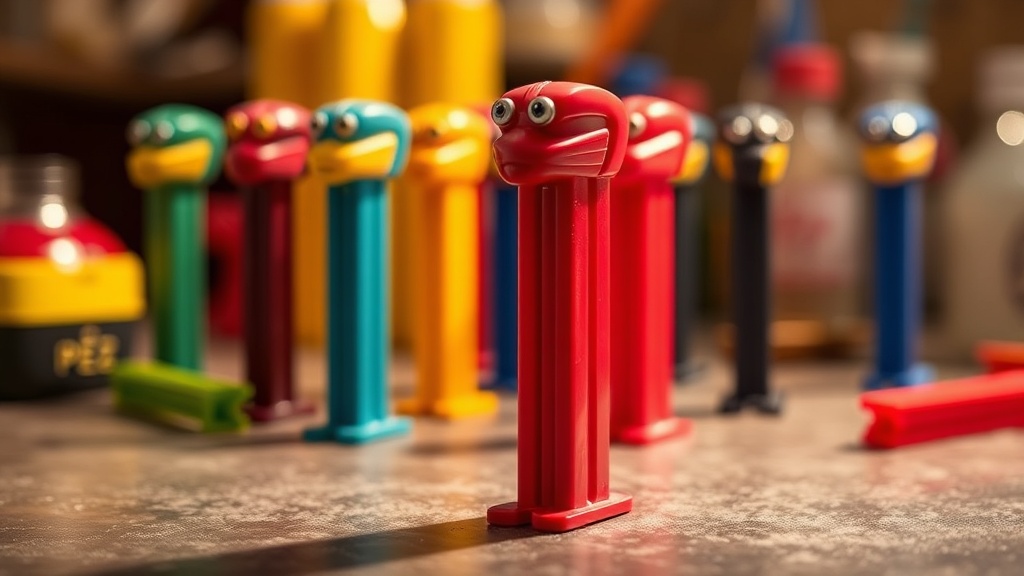
Keep Your Vintage Pez Shiny and Dust Free

Quick Tip
Always use a dry, soft microfiber cloth rather than water or harsh chemicals to avoid damaging the paint.
How Much Does Dust Damage a Vintage Pez Collection?
A single layer of microscopic dust can actually act as an abrasive, potentially scratching the plastic surface of your vintage dispensers over time. While most collectors think a little dust is harmless, it can trap moisture and oils that degrade the finish of a high-value item. This post explains how to keep your pieces in mint condition without causing accidental damage.
I've seen many collectors accidentally ruin a high-value piece by using the wrong cleaning method. It's a heartbreak—especially when you're looking at items like the most valuable vintage Pez dispensers where every scratch counts toward the resale value.
How Do I Clean Plastic Pez Dispensers Safely?
Use a soft, dry, lint-free cloth or a clean makeup brush to gently remove dust from your collection. You shouldn't use harsh chemicals or abrasive sponges, as these will destroy the glossy finish that makes a vintage piece look brand new.
Here is my preferred routine for a quick dusting:
- The Dry Brush Method: Use a high-quality, soft-bristled makeup brush (think Kabuki brushes) to flick dust out of the crevices around the head and spring mechanism.
- The Microfiber Wipe: For larger, smoother surfaces, a dry microfiber cloth is your best friend.
- The Damp Touch: If there's a stubborn spot, use a slightly damp cloth with water only. No soap. No alcohol.
Avoid using any products containing silicone or oils. These can leave a residue that actually attracts more dust—a bit of a vicious cycle, really.
Where Should I Display My Collection?
Display your collection in a cool, dry area away from direct sunlight and high humidity. Sunlight is a silent killer for vintage toys; UV rays can cause the vibrant colors of the plastic to fade or even become brittle.
If you have a particularly precious piece, consider a dedicated display case. It's a small investment that pays off in longevity. Here is a quick comparison of common display environments:
| Environment | Risk Level | Effect on Plastic |
|---|---|---|
| Glass Display Case | Low | Protects from dust and UV rays. |
| Open Bookshelf | Medium | Collects dust and is prone to temperature shifts. |
| Direct Sunlight | High | Causes discoloration and structural degradation. |
Keep in mind that even a "sealed" case isn't a perfect shield. It's always better to be proactive. If you're hunting for rare and historical pieces, the maintenance you do today determines their value tomorrow.