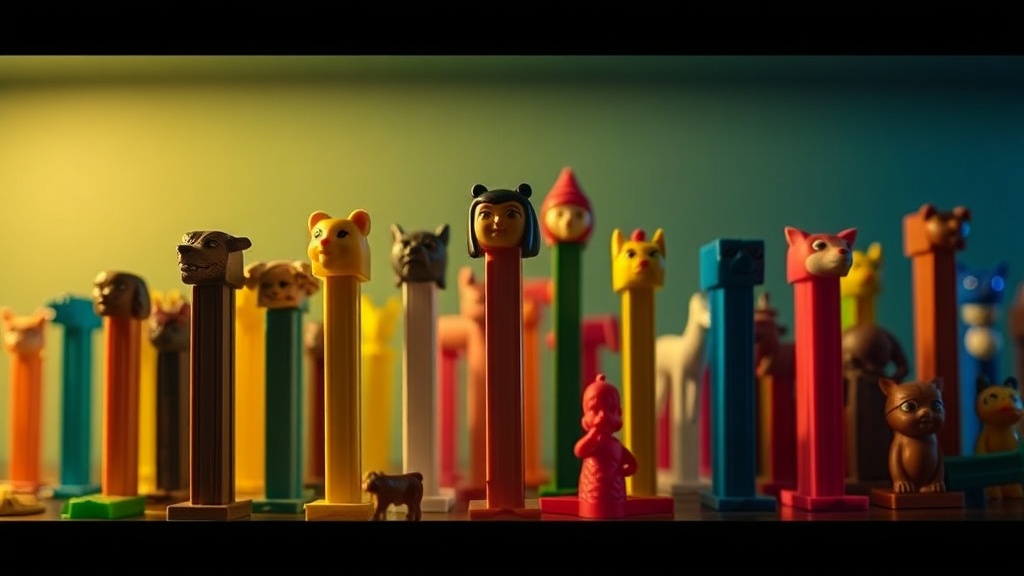
Organizing Your Pez Collection by Theme and Era

This post provides specific strategies for categorizing your Pez collection by era, character theme, and production style. You'll learn how to decide between chronological ordering and topical grouping to maximize the visual appeal and value of your display. We'll look at how to handle different types of dispensers—from vintage 1950s versions to modern licensed characters—so your collection looks intentional rather than cluttered.
How Should You Organize a Pez Collection?
The best way to organize a Pez collection is to choose a single primary method—either by era or by theme—and apply it consistently across your display cases. If you try to mix too many systems, your shelves will look messy. If you stick to one, your collection tells a story.
Most collectors start with a "grab bag" approach. You buy what you love, and eventually, you end up with a mountain of plastic that's hard to navigate. To fix this, you need to decide if you are a historian or a fan. A historian cares about the timeline of production. A fan cares about the subject matter.
For example, if you love Disney, you might want a dedicated section for Mickey Mouse variants. But if you're a serious investor, you might prefer to group all your 1980s licensed dispensers together. It's a personal choice, but once you decide, stick to it.
Organizing by Era (The Chronological Method)
Organizing by era focuses on the history of the brand and the evolution of the manufacturing process. This is a great way to see how Pez moved from simple, unbranded shapes to the complex, highly detailed characters we see today.
The eras generally break down like this:
- The Early Era (1940s-1950s): These are the "classic" shapes. They are often more generic, like fruits or simple characters. They have a distinct, vintage look that collectors crave.
- The Licensed Era (1960s-1980s): This is when characters from movies and cartoons became the norm. You'll see more iconic shapes here, like the early Star Wars or classic Looney Tunes designs.
- The Modern Era (1990s-Present): These dispensers often feature more intricate molds and highly detailed paint jobs. This era is dominated by massive franchises like Marvel, Disney, and various video game properties.
A chronological display is excellent for showing progress. It's a way to showcase the "evolution" of a toy. If you have a rare piece from the early years, placing it at the start of your timeline gives it the respect it deserves. Just remember to avoid sunlight damage to your collection when displaying these older, more fragile pieces, as the plastic can become brittle over time.
Organizing by Theme (The Topical Method)
Thematic organization is all about grouping by subject matter. This is the most popular method for casual collectors because it makes the display visually striking. When you see a shelf full of nothing but "Super Hero" dispensers, the impact is immediate.
Here are common ways to group themes:
- Pop Culture Franchises: Grouping by specific brands like Star Wars, Harry Potter, or Marvel.
- Character Types: Grouping by "Animals," "Food/Fruit," or "Humanoid Characters."
- Color Coding: A purely aesthetic choice where you group dispensers by their dominant color. It looks great in photos, but it can be difficult if you're looking for a specific item.
The problem with thematic grouping is that it can lead to "overlap" issues. For instance, if you have a Batman dispenser, does it go in the "DC Comics" section or the "Superhero" section? You'll need to make a ruling early on to keep your shelves looking professional.
What Are the Best Display Methods for Different Collection Sizes?
The best display method depends on whether you have ten dispensers or one thousand. Small collections can be kept on tiered acrylic stands, while massive collections usually require custom-built shelving or professional glass cases.
| Collection Size | Recommended Display Type | Pros | Cons |
|---|---|---|---|
| Small (10-50) | Acrylic Tiered Risers | Cheap, easy to move, looks neat. | Limited space, can look "small." |
| Medium (50-200) | Shadow Boxes or Shelving Units | Great for grouping by theme. | Requires more wall space. |
| Large (200+) | Custom Glass Cabinets | Maximum protection and visibility. | Expensive and heavy. |
If you have a massive collection, you'll likely need to split your display into multiple units. One cabinet might be your "Vintage Era" cabinet, while another is your "Modern Licensed" cabinet. This prevents the "sea of plastic" effect where everything just blends together into one unreadable mass.
Don't forget about the lighting. If you're using a glass cabinet, you'll want LED strips. They don't produce much heat, which is important. Heat and light are the enemies of vintage plastic. You might want to check out my guide on how to keep your vintage Pez shiny and dust free to ensure your display stays pristine.
How Much Does It Cost to Organize a Collection?
Organizing a collection can cost anywhere from $20 to several hundred dollars depending on the quality of the storage solutions you choose. Most collectors start with budget-friendly options and upgrade as their collection grows.
Here is a breakdown of typical costs for organization supplies:
- Acrylic Risers: $10 - $30 per set. These are great for adding depth to a bookshelf.
- Standard Display Cases: $30 - $100. These are often used for smaller, high-value items.
- Custom Wood Shelving: $150 - $500+. This is for the serious collector who wants a built-in look.
- LED Lighting Kits: $15 - $50. Essential for making those colors pop.
If you're on a budget, don't feel like you need to buy the most expensive display right away. You can use simple spice racks or even small wooden crates to create different levels. The goal is to create a sense of order. A well-organized collection is much easier to enjoy, and it actually makes it easier to spot when you're missing a piece from a specific set.
The real cost of organizing isn't just the money—it's the time. It takes a long time to go through hundreds of pieces and decide where they belong. But once it's done, the satisfaction of seeing a perfectly curated shelf is worth the effort.
When you're sorting, keep an eye out for those high-value items that might have slipped through the cracks. Sometimes, a piece that looks like junk is actually a hidden gem. I've spent a lot of time looking for rare Pez dispensers that changed toy history, and often, those finds happen because I was looking closely at the details during a sorting session.
One thing to watch out for is the "over-categorization" trap. You don't need a separate shelf for every single character. That's overkill. Group them into broader categories so your collection remains a cohesive unit rather than a bunch of tiny, disconnected piles.
Whether you're a lifelong collector or someone who just bought their first ten pieces, organization is what turns a pile of toys into a curated collection. It changes the way you look at your items. Instead of just seeing "stuff," you see a history of design and a timeline of pop culture.
Steps
- 1
Categorize by Theme or Character
- 2
Sort by Release Era or Decade
- 3
Group by Color for Visual Impact
- 4
Assign Dedicated Shelf Space