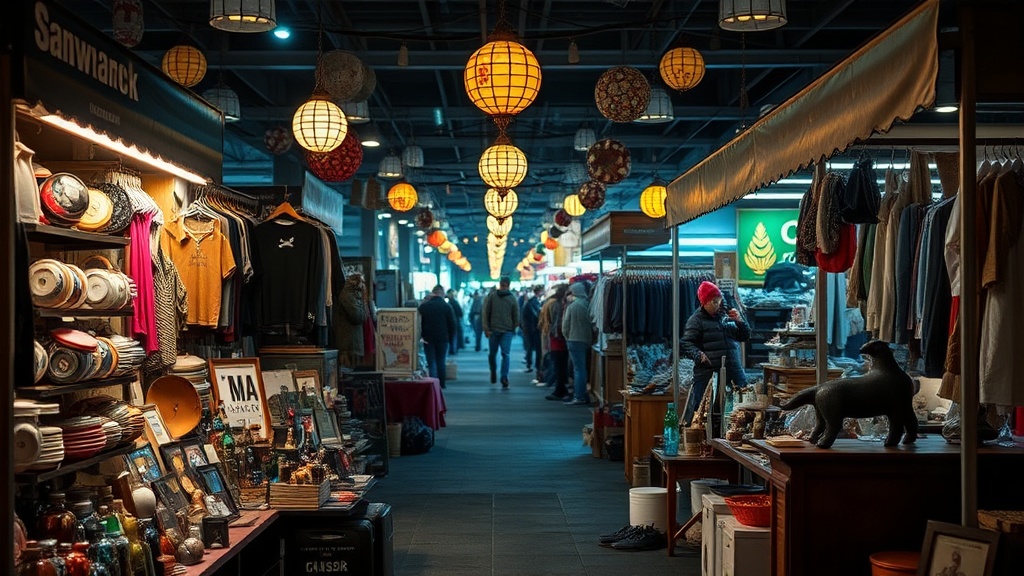
Finding Rare Gems at Local Flea Markets

Many collectors believe that finding high-value items requires scouring high-end auction houses or specialized online marketplaces. That's a mistake. The real treasure often sits under a layer of dust at a local flea market or a roadside yard sale. This guide explains how to spot high-value toys, vintage Pez dispensers, and rare figurines in unpolished environments where the "big players" rarely bother to look.
How Do I Identify Real Vintage Toys?
You identify real vintage toys by checking for specific manufacturing marks, material weight, and the absence of modern-day patent numbers. Most high-value items from the 1950s through the 1980s won't have the "Made in China" stamp common on modern, mass-produced plastic. Instead, look for "Made in USA" or specific manufacturer marks on the bottom or the back of the item. For example, a genuine vintage Pez dispenser often has a much heavier, solid feel compared to modern reproductions.
Weight is your best friend here. Modern plastic is often lighter and feels hollow. If you pick up a Star Wars action figure and it feels suspiciously light or the paint looks too "perfect" and shiny, it might be a modern reproduction rather than an original Kenner figure. Use your senses. A real vintage item has a certain heft that cheap modern imitations lack.
Check the joints and the paint. On vintage action figures or dolls, the paint might show slight wear, but it shouldn't be peeling in large, flaky chunks—that's a sign of a poor-quality modern knockoff. If you see a sticker or a patent number that looks too modern for the era of the toy, put it back. It's better to walk away than to spend twenty dollars on a piece of junk.
One trick I use is looking at the seams. High-quality vintage toys have much cleaner assembly lines. If the plastic edges are rough or the parts don't line up, it's likely a modern, low-budget copy. (I've lost more than a few bucks to "too good to be true" finds because I didn't check the seam lines first.)
The Collector's Checklist
Before you head out to the flea market, keep this list in your phone or a small notebook. It helps you stay focused when the chaos of a crowded market begins.
- Magnifying Glass: Essential for reading tiny manufacturer names or dates.
- Flashlight: A small LED light helps you see into the dark corners of a bin or a cardboard box.
- Scale: If you're serious, a small digital pocket scale can confirm the weight of a metal or heavy plastic piece.
- Reference Photos: Have high-res images of known rare items ready to compare.
If you're looking for something specific, like a rare rare Pez dispenser, you need to be able to recognize the exact shape of the head and the branding on the side. A blurry photo on your phone isn't enough; you need a clear shot of the bottom markings.
What Should I Look for in Unsorted Bins?
Look for "orphaned" items that are tucked away in bins labeled as "junk" or "toys" rather than "collectibles." Most sellers at flea markets aren't experts; they are often just clearing out an attic or a garage. They might have a highly valuable item sitting right next to a pile of broken board games.
The best way to find gems is to look for items that are partially obscured. A collector might see a bin of "Old Toys" and move past it. You should be the person digging through the bottom. Look for:
- Unbranded items: Sometimes a lack of branding means it's an older, more obscure toy.
- Metal components: Anything with metal parts—like die-cast cars or heavy metal dispensers—usually has a higher resale value.
- Boxed items: Even if the box is crushed, a toy in its original packaging is worth significantly more.
Don't forget to check the bottom of the boxes. Sometimes the best items are hidden under the top layer of a "junk" bin. I once found a set of vintage marbles hidden under a pile of old magazines. It's all about the hunt. If you aren't willing to get your hands a little dirty, you'll miss the best finds.
Worth noting, many people overlook the "junk" bins because they are looking for something "pretty." Collectors, however, are looking for "authentic." An ugly, battered vintage toy can still be a goldmine if it's a specific, rare model. Don't let the condition scare you off initially—you can always check the structural integrity later.
How Much Do Rare Toys Actually Cost?
The cost of rare toys is determined by the current market demand, the condition of the item, and the scarcity of the specific model. There is no fixed price, but you can find a baseline by checking completed sales on sites like eBay. Never rely on "asking prices" on auction sites; always look at what people actually paid for a finished transaction.
To help you understand the value tiers, I've put together this comparison of how different conditions affect the price of a standard collectible item:
| Condition Type | Typical Value Impact | Description |
|---|---|---|
| Mint in Box (MIB) | Highest (100%) | The item is untouched and the packaging is pristine. |
| Near Mint | High (70-85%) | Minor shelf wear, but the item is perfect. |
| Played With | Medium (40-60%) | Shows signs of use, but is fully functional. |
| Damaged/Broken | Low (10-30%) | Missing parts or broken components. |
If you find a piece that is "played with" but still has its original branding intact, you've found a winner. For example, if you find a vintage Pez dispenser that has a little scuffing but the mechanism still works, it's still a great find. If you want to learn more about maintaining these items once you find them, check out my guide on how to keep your vintage Pez shiny and dust free.
The catch is that you can't buy your way to a high-value collection. You have to build your knowledge. If you don't know the difference between a 1970s Star Wars figure and a 2020s reproduction, you'll end up overpaying for a piece of cheap plastic. Study the brands. Read the history. The more you know, the more the flea market becomes your playground rather than a gamble.
One thing to remember: the most expensive items aren't always the ones that look the most impressive. Sometimes, it's the smallest, most unassuming item that holds the real value. A single, rare dispenser can be worth more than an entire bin of modern action figures. Keep your eyes peeled for the small details.
When you're out in the field, don't be afraid to ask the seller questions. "Do you know what year this was made?" or "Does the mechanism still work?" can give you a lot of information. Most flea market vendors are happy to chat, and a little conversation can often lead to a better deal or a tip on where else to look. Just be respectful. You're there to learn, not just to haggle.