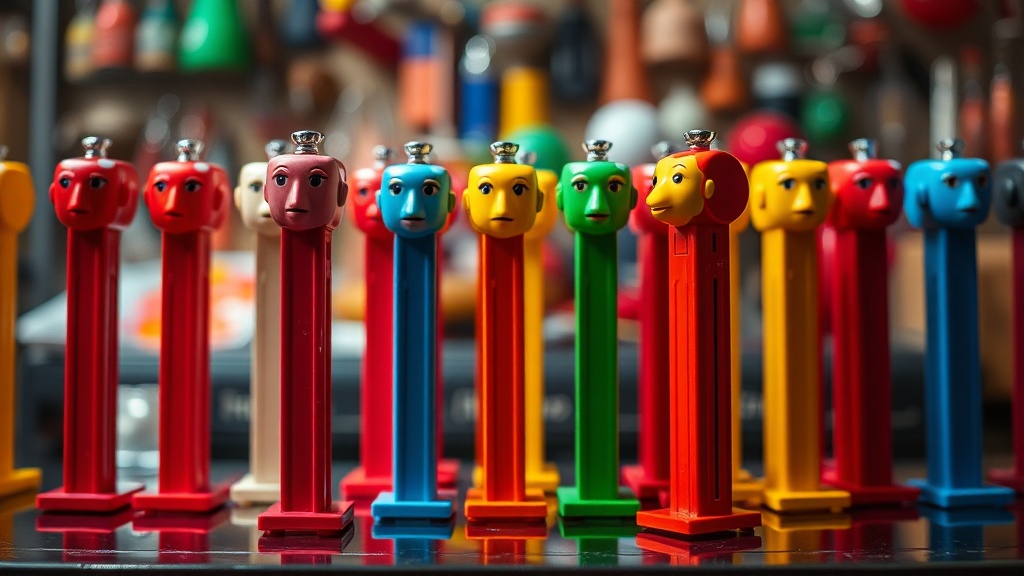
Why Do Some Pez Dispensers Cost More Than Others?

You'll learn exactly what drives the market value of a single Pez dispenser, from the subtle nuances of manufacturing-era scarcity to the specific demand for certain character licenses. Understanding these variables helps you avoid overpaying at flea markets and identifies potential goldmines in your local thrift stores.
Collecting isn't just about grabbing whatever looks cool; it's about understanding the economic forces at play in the toy industry. Whether you're looking at a common drugstore find or a high-end piece from a private collection, the price tag is rarely a random number. It's a reflection of rarity, condition, and historical context.
What Makes a Pez Dispenser Rare?
Rarity is often misunderstood by new collectors. People assume that if they've only seen one dispenser in a shop, it must be valuable. That isn't always the case. True rarity in the Pez world usually falls into three categories: production shortages, licensed exclusivity, and developmental stages.
Sometimes, a specific character was only produced for a limited window—perhaps a tie-in with a movie that only lasted a few months. Other times, a certain mold was used for a very short period before a design change occurred. These "short-run" items are the ones that drive prices up. If you find a dispenser that features a character that was never widely distributed in your region, you might be looking at a piece of history.
You should also consider the material and the era. Older, vintage-era dispensers often have a different weight and texture compared to modern plastic. The way the spring mechanism feels and the way the paint adheres to the surface can tell a story about when it was made. For more information on the history of manufacturing standards, you can check out the official Pez website to see how they've evolved over the decades.
How Does Condition Affect the Value?
In the world of collectibles, condition is everything. You might find a dispenser that is incredibly rare, but if the paint is chipped or the spring is broken, its value drops significantly. Collectors look for "Mint in Box" (MIB) or "Near Mint" status. If the item is loose, it's often referred to as "Loose," and its value is heavily dependent on its physical state.
- Paint Wear: Look closely at the edges of the character's head. Even tiny scuffs can lower the grade.
- Spring Tension: A dispenser that doesn't "pop" correctly is often seen as a defective or worn-out piece.
- Color Fading: Exposure to light can dull the vibrant colors of the plastic, making it look aged in a way that isn't desirable.
If you're buying a piece to display, a small amount of wear is acceptable. But if you're buying as an investment, you want perfection. It's a steep learning curve, but once you start looking for these tiny defects, you'll see them everywhere.
Which Characters Are the Most Desirable?
Demand is driven by nostalgia. This is why certain franchises consistently command higher prices. When a movie or a cartoon becomes a cultural phenomenon, the associated merchandise undergoes a massive surge in value. This isn't just true for Pez; it's a pattern seen across the entire toy and figure-collecting-community.
Currently, certain classic licensed characters from the 1980s and 90s are seeing a massive resurgence. Collectors are chasing the icons they grew up with. This nostalgia-driven market means that even if a dispenser is common in a general sense, it can be highly sought after within a specific niche. For example, a classic Disney or Star Wars piece will almost always have a higher floor price than a generic fruit or vegetable character.
To get a better sense of what's trending in the broader toy market, sites like HobbyDB offer great insights into how different collectibles are valued over time. It's a way to see if your interests align with current market trends.
Common Pricing Tiers to Watch For
To help you visualize where your pieces might fall, I've put together a quick reference table. Keep in mind that these are generalities and individual piece value can vary wildly based on the specific year and region of manufacture.
| Tier | Description | Typical Price Range |
|---|---|---|
| Common | Mass-produced, widely available, modern era. | $2 - $10 |
| Mid-Tier | Older vintage, slightly better condition, niche characters. | $15 - $50 |
| High-End | Rare licenses, museum-quality condition, or extremely old. | $100 - $500+ |
| Grail | One-of-a-kind, error pieces, or extremely limited production. | $1,000+ |
Finding a "Grail" piece is the dream of every collector, but don't get discouraged if your first few finds are in the Common tier. Building a collection is a marathon, not a sprint. The joy is in the hunt, not just the ownership.
Always remember to check the bottom of the dispenser or the packaging for any markings that might indicate the year of production. This small detail can be the difference between owning a common piece and a rare treasure. I've spent many hours in dusty corners of antique shops looking for that one tiny detail that changes everything.